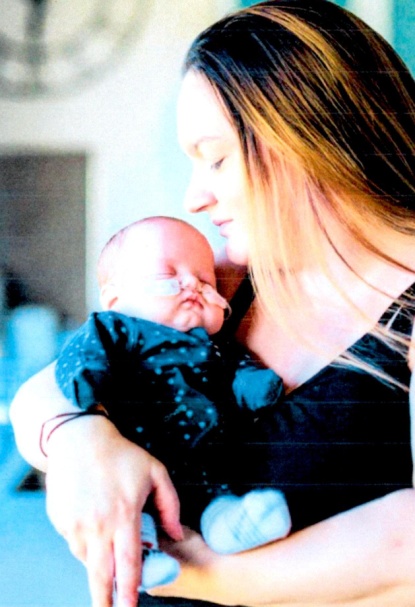
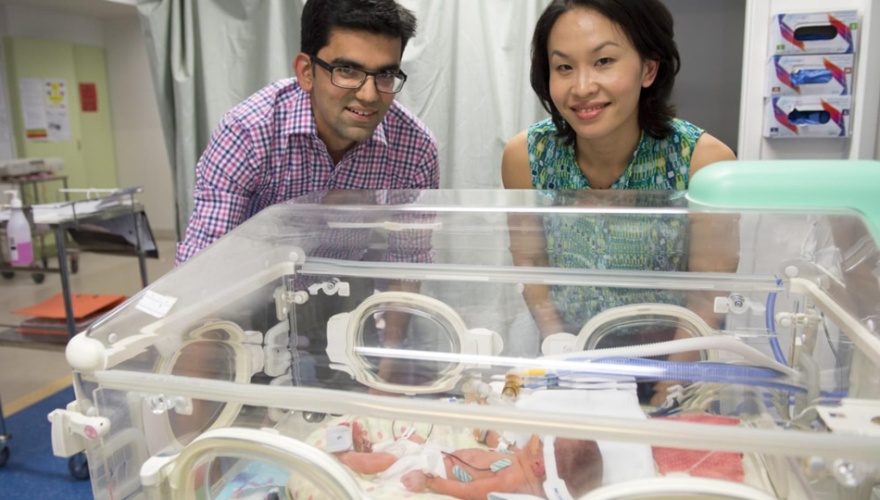
It is pointed out that more than 3,000 very preterm babies are born every year in Australia, and around 10% of them will have foetal stroke, other severe brain injuries and can develop cerebral palsy.
It is for these reasons that the Board decided 3 years ago it could afford to support the Cord- Safe Study led by Monash University and the Newborn Cell Therapies Group.
Two years ago the Foundation agreed to fund Monash University research into Phase 2 of the project to be spread over three years finishing on 30 June 2026. This Phase involved the use of cord blood stem therapy options for foetal stroke in premature babies and the STELLAR study aims to open up cord blood therapies to improve their outcomes.
Recently the Foundation visited the Monash University (Department of Paediatrics) in the Monash Children’s Hospital to discuss progress with this research and found that it had been proceeding well. It is anticipated that a report outlining the results will be available mid2026.
Contact us today